
Work With Us to Uplift People & Planet
We're always looking for passionate partners who share our vision for a thriving, equitable South Asia. Our partners are the backbone of what we do. Together, we evaluate, fund, and mentor local projects that create lasting ecological and social impact.
We're always looking for passionate partners who share our vision for a thriving, equitable South Asia. Our partners are the backbone of what we do. Together, we evaluate, fund, and mentor local projects that create lasting ecological and social impact.
We're always looking for passionate partners who share our vision for a thriving, equitable South Asia. Our partners are the backbone of what we do. Together, we evaluate, fund, and mentor local projects that create lasting ecological and social impact.
How Our Partnerships Work
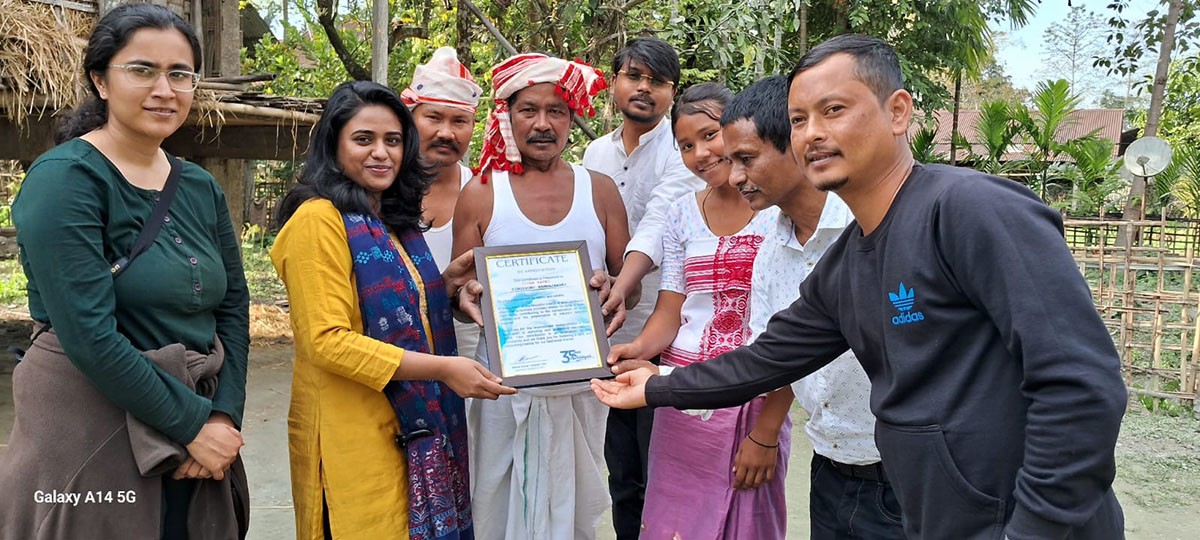

GRANT REVIEW PARTNER
Help us evaluate and refine project proposals.
Help us evaluate and refine project proposals. Review incoming applications in your area of expertise Offer feedback on feasibility, local alignment, and sustainability Ensure funds are directed to high-impact, verifiable initiatives

co-financing Partner
Join hands to fund projects together.
Contribute matching or partial funding to projects you believe in Expand your organization’s reach by co-supporting vetted initiatives Empower underserved regions through pooled resources

impact advisor
Offer mentorship and strategic guidance.
Support project teams with expert knowledge Help shape outcomes through ongoing mentorship Promote long-term project resilience and success
Why Partner With Us?
Together, we do more than fund projects we build ecosystems of care, resilience, and long-term impact. Here’s what makes collaboration with us different:
MULTIPLY YOUR IMPACT
Bring local, underfunded conservation and education projects to life — where your expertise is most needed.
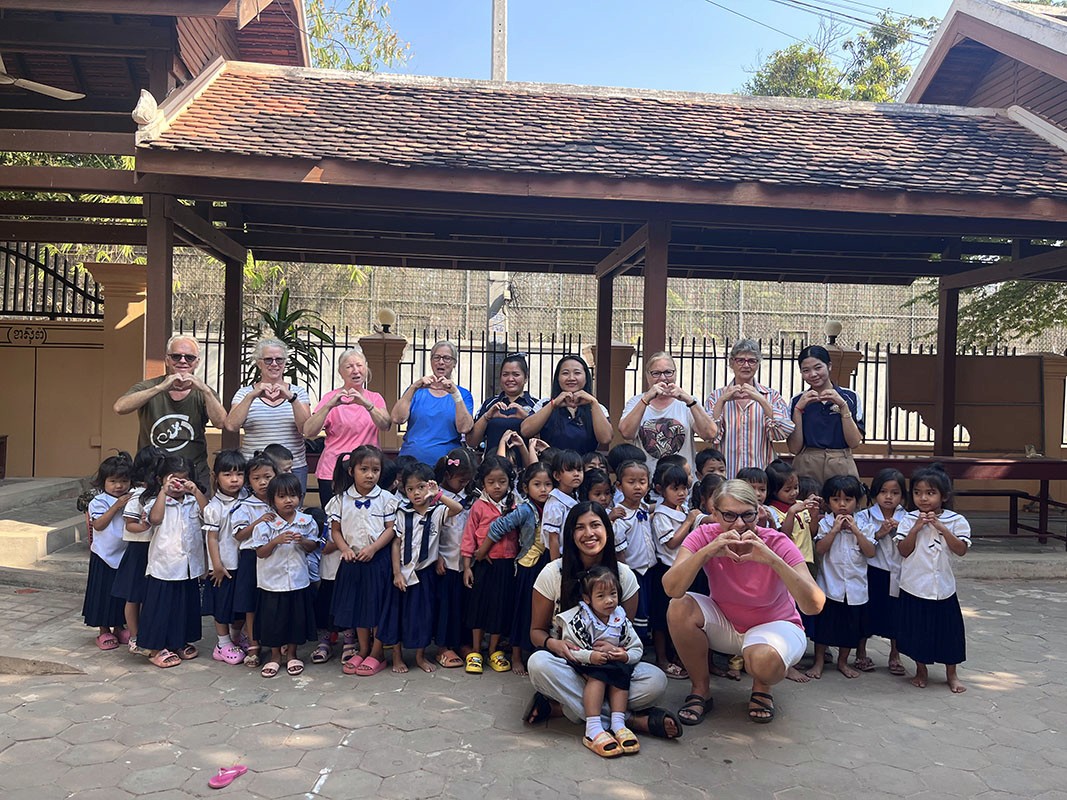
COLLABORATE WITH EXPERTS
Work with a diverse network of change makers across South Asia, from acroecologists to educators.
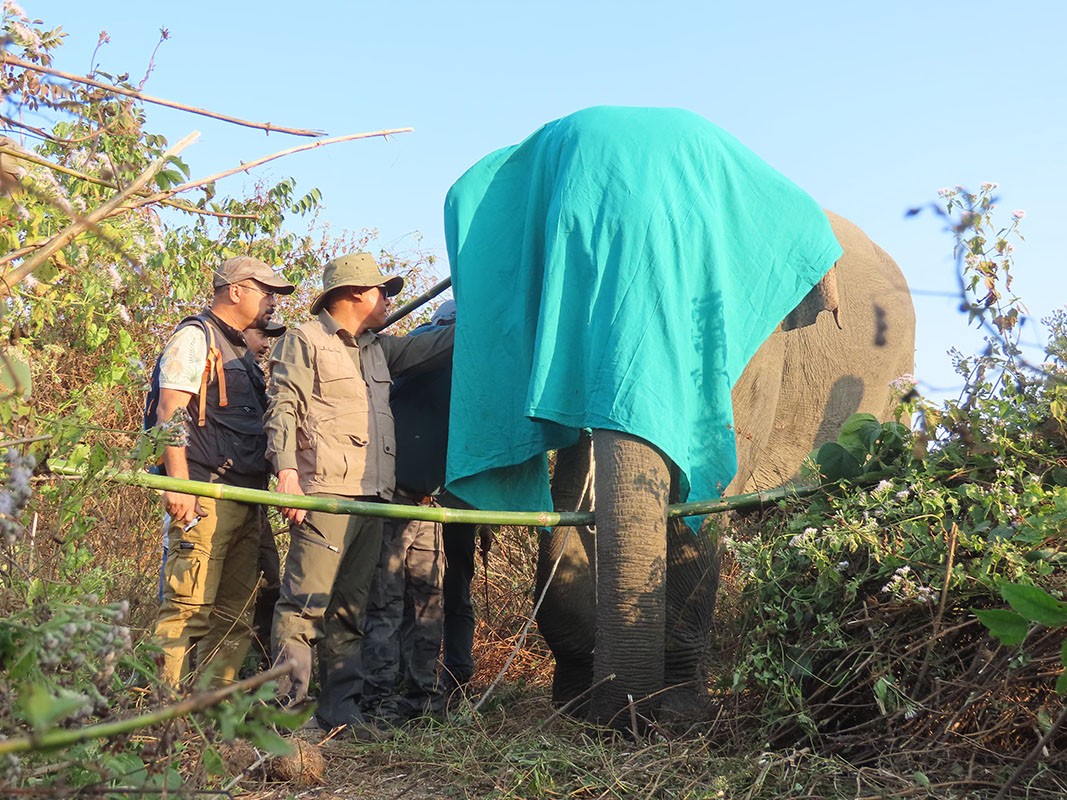

GROW YOUR MISSION
Align with grassroots teams that deeply understand their ecosystems and communities.
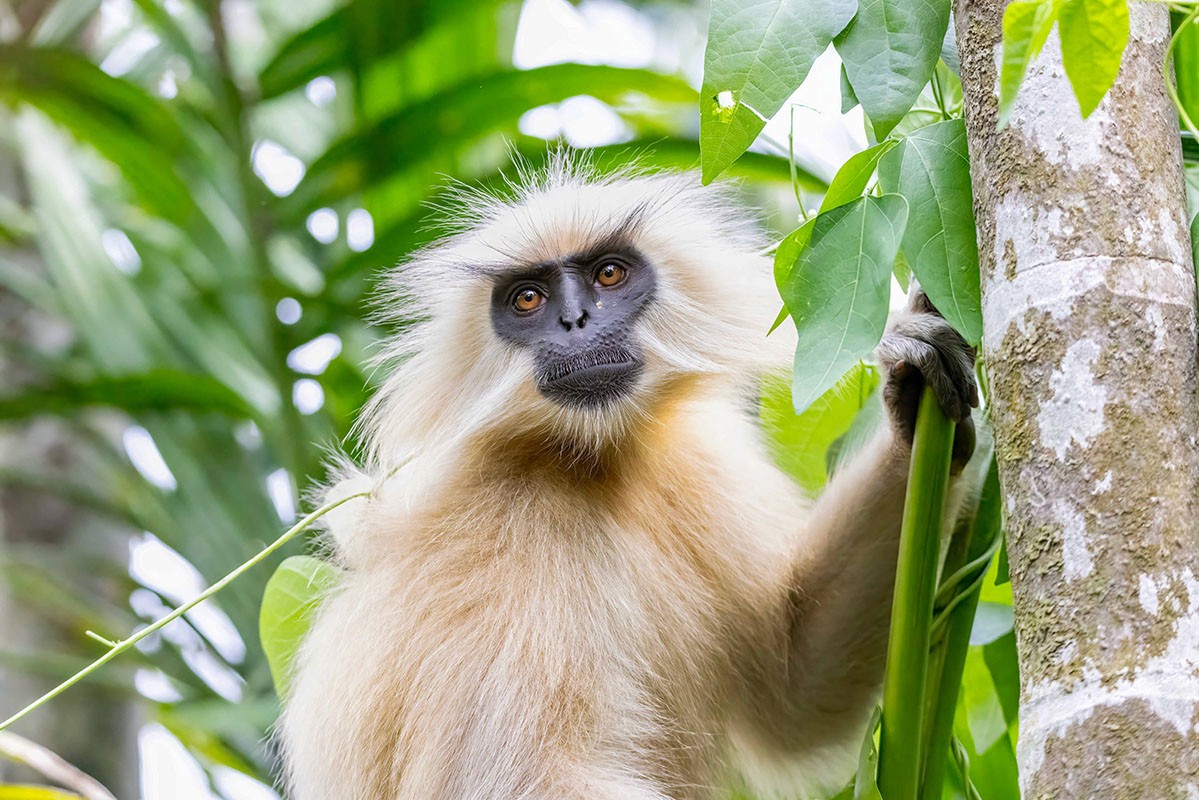
SEE WHERE THE FUNDS GO
With 90%+ of funds going directly to projects, you can trust your support is creating meaningful change.
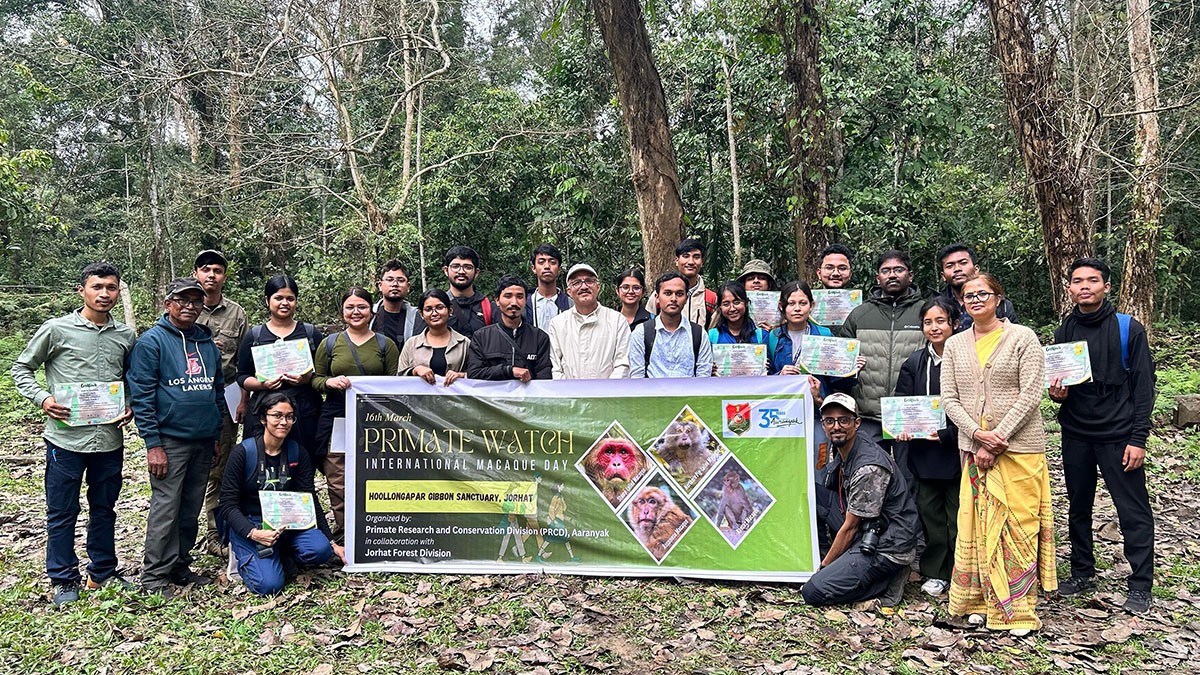
JOIN A PURPOSE-DRIVEN NETWORK
Be part of a growing collective of NGOs, sustainability leaders, and grassroots partners working toward a shared vision.
SHARE THE STORY OF CHANGE
We proudly spotlight our partners’ work through features, media, and storytelling — your impact won’t go unseen.
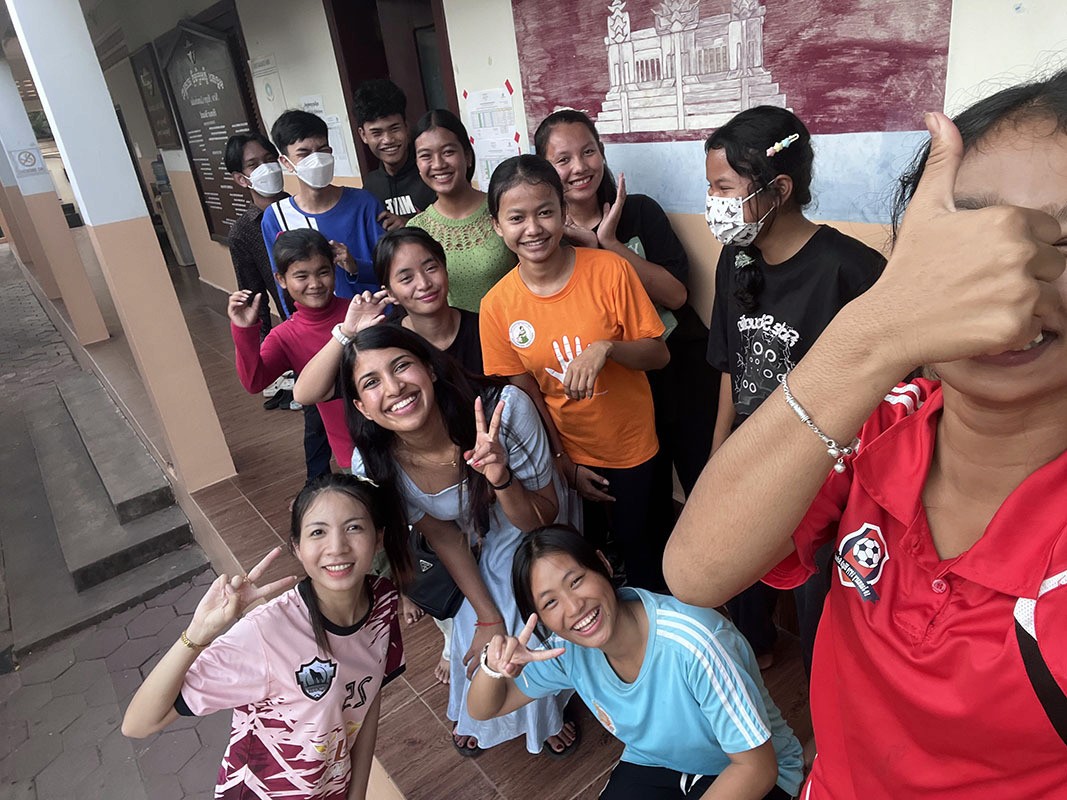
MULTIPLY YOUR IMPACT
Bring local, underfunded conservation and education projects to life — where your expertise is most needed.
COLLABORATE WITH EXPERTS
Work with a diverse network of change makers across South Asia, from acroecologists to educators.
GROW YOUR MISSION
Align with grassroots teams that deeply understand their ecosystems and communities.
SEE WHERE THE FUNDS GO
With 90%+ of funds going directly to projects, you can trust your support is creating meaningful change.
JOIN A PURPOSE-DRIVEN NETWORK
Be part of a growing collective of NGOs, sustainability leaders, and grassroots partners working toward a shared vision.
SHARE THE STORY OF CHANGE
We proudly spotlight our partners’ work through features, media, and storytelling — your impact won’t go unseen.
MULTIPLY YOUR IMPACT
Bring local, underfunded conservation and education projects to life — where your expertise is most needed.
COLLABORATE WITH EXPERTS
Work with a diverse network of change makers across South Asia, from acroecologists to educators.
GROW YOUR MISSION
Align with grassroots teams that deeply understand their ecosystems and communities.
SEE WHERE THE FUNDS GO
With 90%+ of funds going directly to projects, you can trust your support is creating meaningful change.
JOIN A PURPOSE-DRIVEN NETWORK
Be part of a growing collective of NGOs, sustainability leaders, and grassroots partners working toward a shared vision.
SHARE THE STORY OF CHANGE
We proudly spotlight our partners’ work through features, media, and storytelling — your impact won’t go unseen.
Current Partners
We're proud to collaborate with organizations who share our values and vision. Together, we’re bringing change to life — one project at a time.
We're proud to collaborate with organizations who share our values and vision. Together, we’re bringing change to life — one project at a time.

Our Impact Advisors
Our advisory network includes experts in conservation science, education, and sustainability. These individuals help shape our project selection, due diligence, and long-term strategic thinking.These individuals help shape our project selection, due diligence, and long-term strategic thinking.
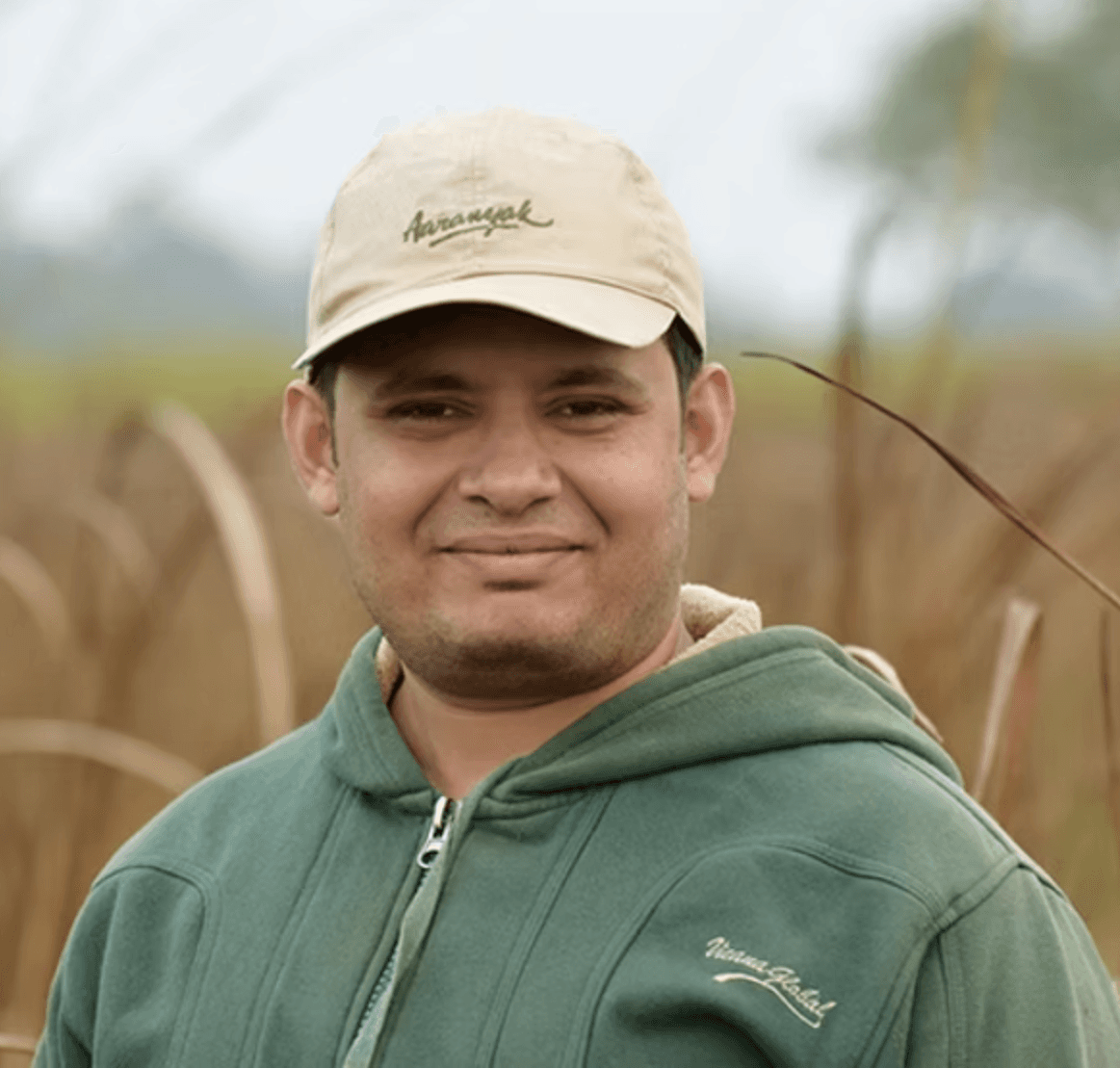
Dr. Dipankar Lahkar
Dr. Dipankar Lahkar is a distinguished wildlife biologist & conservationist based in Assam, India. With over 15 years of experience, he serves as the Senior Manager in the Tiger Research and Conservation Division at Aaranyak, one of India’s leading biodiversity conservation organizations.
Lahkar's work encompasses a broad spectrum of conservation efforts, including tiger conservation, vulture conservation, species monitoring, and human-wildlife conflict mitigation. He has been instrumental in implementing community-based conservation strategies, particularly in the Manas National Park, contributing to the significant recovery of the tiger population in the region.
In addition to his fieldwork, Dr. Lahkar has authored several scientific publications focusing on wildlife ecology and conservation biology. His research has provided valuable insights into the feeding ecology of vultures and the dynamics of large carnivore populations in Northeast India.
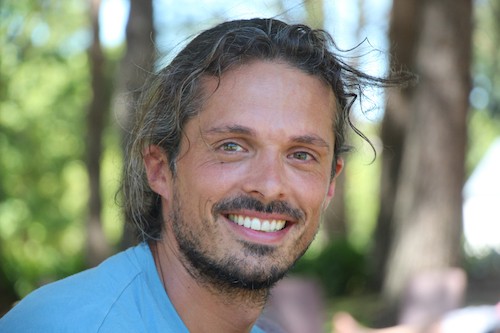
Dr. James McNamara
James is an interdisciplinary conservation scientist with more than fifteen years’ experience in Africa and Asia.His expertise focuses on the human dimensions of conservation, working with communities to integrate their needs into conservation planning and decision making. He has led the development of a range of conservation social science research programmes in various countries throughout West and Central Africa and advised on research programmes in India, Brazil and Peru.
His work spans sustainable agriculture, local ecological knowledge, and stakeholder engagement. A former UK policy advisor and Oxford mentor, he bridges research, governance, and grassroots action.
He holds a PhD from Imperial College, London, where he studied the economic and social dynamics of the wild meat trade, and is a Research Associate with the Smithsonian Institution, Washington D.C.
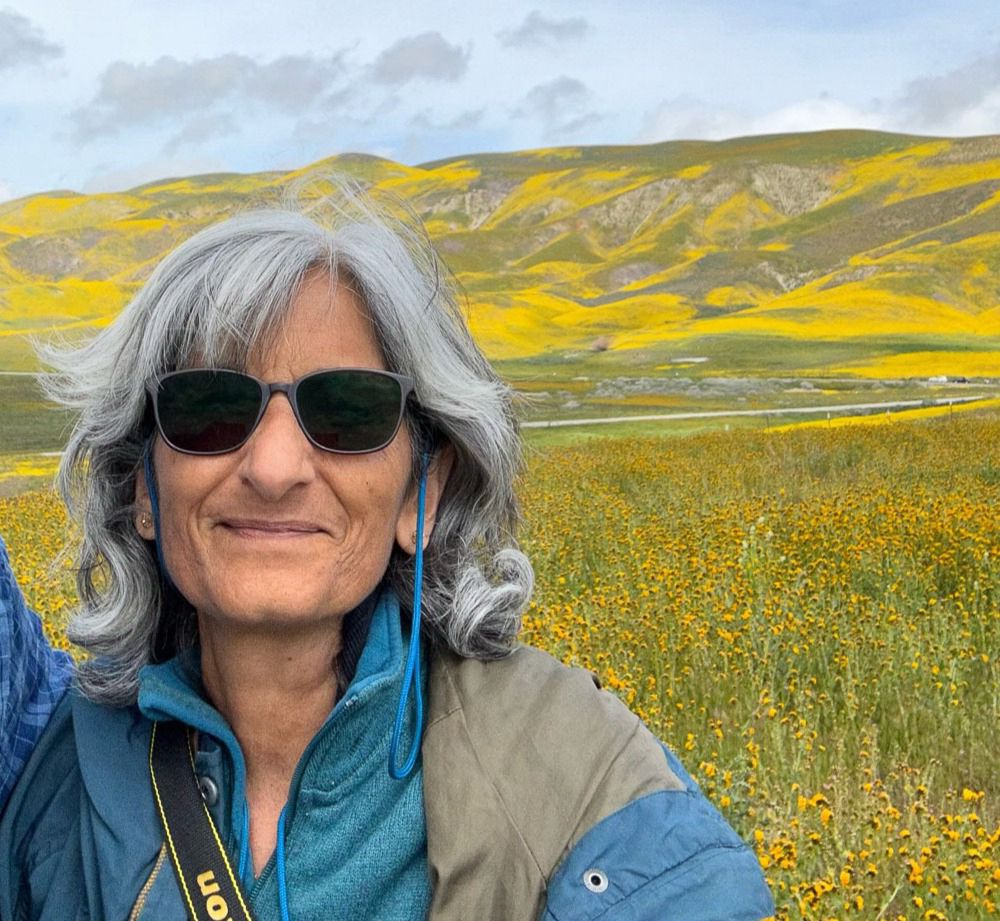
Dr. Meenakshi Nagendran
Dr. Meenakshi (Mini) Nagendran is a wildlife conservation biologist, an academic and a veterinarian.She is currently an adjunct faculty at Cuesta College in California. She retired from the U.S. Fish and Wildlife Service in 2023.
At the USFWS she worked as a Wildlife Biologist from March 2005 in the Division of International Conservation, as a Program Officer for the Asian Elephant Conservation Fund, followed by Rhinoceros and Tiger Fund (Asia) and the Great Ape Conservation Fund (Asia). Prior to joining the USFWS, Mini was in academia (CSU-Sacramento and Santa Monica College), served as Director of Bird Conservation in California Audubon, and for many years collaborated with international partners on field research and conservation activities in Russia, Kazakhstan, Japan, India, the U.S.A., and Bulgaria.
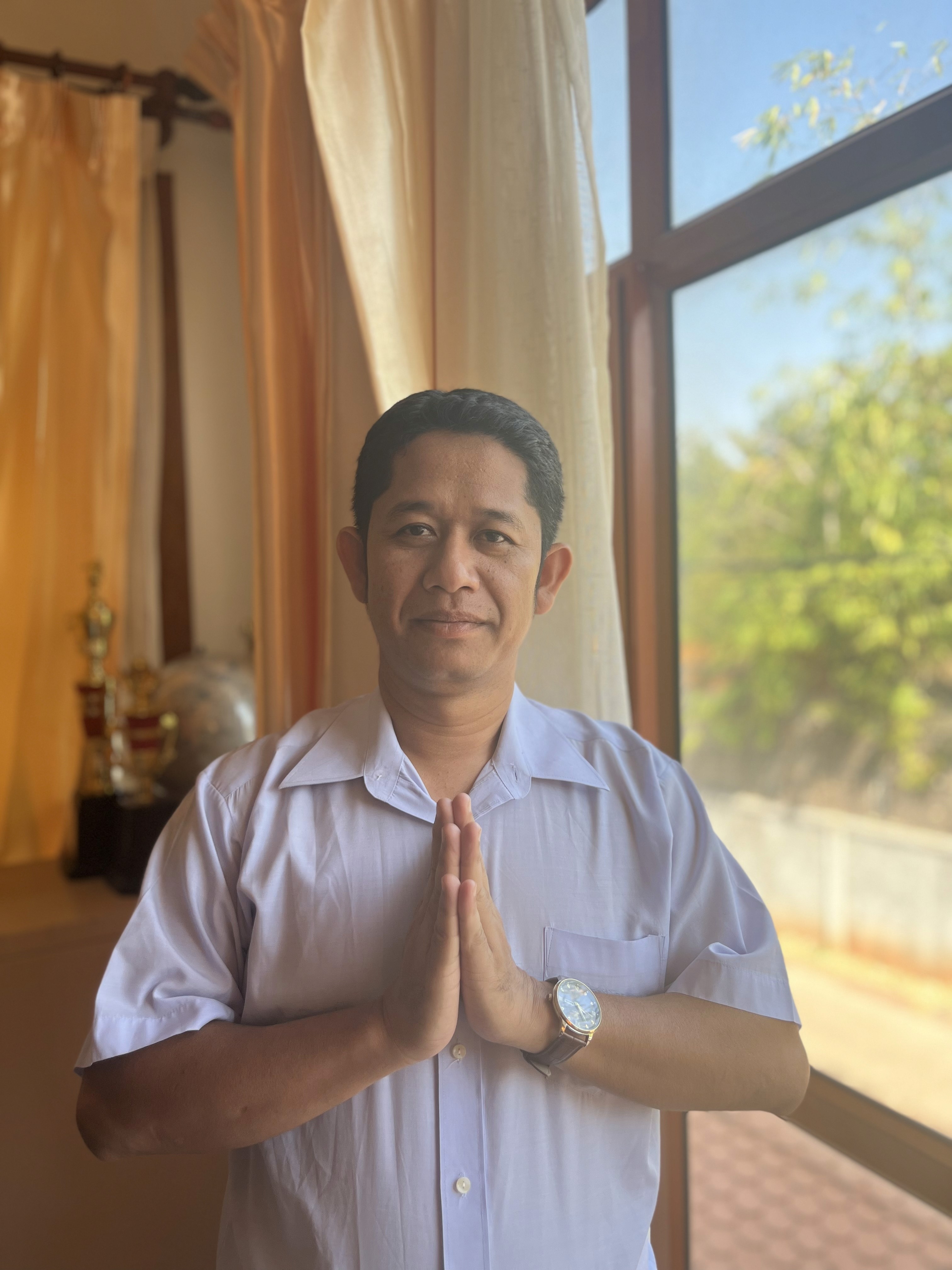
Sokheng Boun
Sokheng Boun is the visionary founder of New Hope Cambodia, a transformative nonprofit based in Siem Reap. Under his leadership, the organization has become a beacon of hope for impoverished children and youth, providing free education, healthcare, and community support.
Sokheng’s dedication to curriculum development and youth empowerment has been instrumental in breaking the cycle of poverty for many families in the region. With a focus on digital equity, Sokheng has championed initiatives that equip students with essential technological skills, preparing them for a rapidly evolving world. His holistic approach ensures that education at New Hope Cambodia goes beyond academics, fostering life skills and personal growth.
Dr. Dipankar Lahkar
Dr. Dipankar Lahkar is a distinguished wildlife biologist & conservationist based in Assam, India. With over 15 years of experience, he serves as the Senior Manager in the Tiger Research and Conservation Division at Aaranyak, one of India’s leading biodiversity conservation organizations.
Lahkar's work encompasses a broad spectrum of conservation efforts, including tiger conservation, vulture conservation, species monitoring, and human-wildlife conflict mitigation. He has been instrumental in implementing community-based conservation strategies, particularly in the Manas National Park, contributing to the significant recovery of the tiger population in the region.
In addition to his fieldwork, Dr. Lahkar has authored several scientific publications focusing on wildlife ecology and conservation biology. His research has provided valuable insights into the feeding ecology of vultures and the dynamics of large carnivore populations in Northeast India.
Dr. James McNamara
James is an interdisciplinary conservation scientist with more than fifteen years’ experience in Africa and Asia.His expertise focuses on the human dimensions of conservation, working with communities to integrate their needs into conservation planning and decision making. He has led the development of a range of conservation social science research programmes in various countries throughout West and Central Africa and advised on research programmes in India, Brazil and Peru.
His work spans sustainable agriculture, local ecological knowledge, and stakeholder engagement. A former UK policy advisor and Oxford mentor, he bridges research, governance, and grassroots action.
He holds a PhD from Imperial College, London, where he studied the economic and social dynamics of the wild meat trade, and is a Research Associate with the Smithsonian Institution, Washington D.C.
Dr. Meenakshi Nagendran
Dr. Meenakshi (Mini) Nagendran is a wildlife conservation biologist, an academic and a veterinarian.She is currently an adjunct faculty at Cuesta College in California. She retired from the U.S. Fish and Wildlife Service in 2023.
At the USFWS she worked as a Wildlife Biologist from March 2005 in the Division of International Conservation, as a Program Officer for the Asian Elephant Conservation Fund, followed by Rhinoceros and Tiger Fund (Asia) and the Great Ape Conservation Fund (Asia). Prior to joining the USFWS, Mini was in academia (CSU-Sacramento and Santa Monica College), served as Director of Bird Conservation in California Audubon, and for many years collaborated with international partners on field research and conservation activities in Russia, Kazakhstan, Japan, India, the U.S.A., and Bulgaria.
Sokheng Boun
Sokheng Boun is the visionary founder of New Hope Cambodia, a transformative nonprofit based in Siem Reap. Under his leadership, the organization has become a beacon of hope for impoverished children and youth, providing free education, healthcare, and community support.
Sokheng’s dedication to curriculum development and youth empowerment has been instrumental in breaking the cycle of poverty for many families in the region. With a focus on digital equity, Sokheng has championed initiatives that equip students with essential technological skills, preparing them for a rapidly evolving world. His holistic approach ensures that education at New Hope Cambodia goes beyond academics, fostering life skills and personal growth.
Dr. Dipankar Lahkar
Dr. Dipankar Lahkar is a distinguished wildlife biologist & conservationist based in Assam, India. With over 15 years of experience, he serves as the Senior Manager in the Tiger Research and Conservation Division at Aaranyak, one of India’s leading biodiversity conservation organizations.
Lahkar's work encompasses a broad spectrum of conservation efforts, including tiger conservation, vulture conservation, species monitoring, and human-wildlife conflict mitigation. He has been instrumental in implementing community-based conservation strategies, particularly in the Manas National Park, contributing to the significant recovery of the tiger population in the region.
In addition to his fieldwork, Dr. Lahkar has authored several scientific publications focusing on wildlife ecology and conservation biology. His research has provided valuable insights into the feeding ecology of vultures and the dynamics of large carnivore populations in Northeast India.
Dr. James McNamara
James is an interdisciplinary conservation scientist with more than fifteen years’ experience in Africa and Asia.His expertise focuses on the human dimensions of conservation, working with communities to integrate their needs into conservation planning and decision making. He has led the development of a range of conservation social science research programmes in various countries throughout West and Central Africa and advised on research programmes in India, Brazil and Peru.
His work spans sustainable agriculture, local ecological knowledge, and stakeholder engagement. A former UK policy advisor and Oxford mentor, he bridges research, governance, and grassroots action.
He holds a PhD from Imperial College, London, where he studied the economic and social dynamics of the wild meat trade, and is a Research Associate with the Smithsonian Institution, Washington D.C.
Dr. Meenakshi Nagendran
Dr. Meenakshi (Mini) Nagendran is a wildlife conservation biologist, an academic and a veterinarian.She is currently an adjunct faculty at Cuesta College in California. She retired from the U.S. Fish and Wildlife Service in 2023.
At the USFWS she worked as a Wildlife Biologist from March 2005 in the Division of International Conservation, as a Program Officer for the Asian Elephant Conservation Fund, followed by Rhinoceros and Tiger Fund (Asia) and the Great Ape Conservation Fund (Asia). Prior to joining the USFWS, Mini was in academia (CSU-Sacramento and Santa Monica College), served as Director of Bird Conservation in California Audubon, and for many years collaborated with international partners on field research and conservation activities in Russia, Kazakhstan, Japan, India, the U.S.A., and Bulgaria.
Sokheng Boun
Sokheng Boun is the visionary founder of New Hope Cambodia, a transformative nonprofit based in Siem Reap. Under his leadership, the organization has become a beacon of hope for impoverished children and youth, providing free education, healthcare, and community support.
Sokheng’s dedication to curriculum development and youth empowerment has been instrumental in breaking the cycle of poverty for many families in the region. With a focus on digital equity, Sokheng has championed initiatives that equip students with essential technological skills, preparing them for a rapidly evolving world. His holistic approach ensures that education at New Hope Cambodia goes beyond academics, fostering life skills and personal growth.
Dr. Dipankar Lahkar
Dr. Dipankar Lahkar is a distinguished wildlife biologist & conservationist based in Assam, India. With over 15 years of experience, he serves as the Senior Manager in the Tiger Research and Conservation Division at Aaranyak, one of India’s leading biodiversity conservation organizations.
Lahkar's work encompasses a broad spectrum of conservation efforts, including tiger conservation, vulture conservation, species monitoring, and human-wildlife conflict mitigation. He has been instrumental in implementing community-based conservation strategies, particularly in the Manas National Park, contributing to the significant recovery of the tiger population in the region.
In addition to his fieldwork, Dr. Lahkar has authored several scientific publications focusing on wildlife ecology and conservation biology. His research has provided valuable insights into the feeding ecology of vultures and the dynamics of large carnivore populations in Northeast India.
Dr. James McNamara
James is an interdisciplinary conservation scientist with more than fifteen years’ experience in Africa and Asia.His expertise focuses on the human dimensions of conservation, working with communities to integrate their needs into conservation planning and decision making. He has led the development of a range of conservation social science research programmes in various countries throughout West and Central Africa and advised on research programmes in India, Brazil and Peru.
His work spans sustainable agriculture, local ecological knowledge, and stakeholder engagement. A former UK policy advisor and Oxford mentor, he bridges research, governance, and grassroots action.
He holds a PhD from Imperial College, London, where he studied the economic and social dynamics of the wild meat trade, and is a Research Associate with the Smithsonian Institution, Washington D.C.
Dr. Meenakshi Nagendran
Dr. Meenakshi (Mini) Nagendran is a wildlife conservation biologist, an academic and a veterinarian.She is currently an adjunct faculty at Cuesta College in California. She retired from the U.S. Fish and Wildlife Service in 2023.
At the USFWS she worked as a Wildlife Biologist from March 2005 in the Division of International Conservation, as a Program Officer for the Asian Elephant Conservation Fund, followed by Rhinoceros and Tiger Fund (Asia) and the Great Ape Conservation Fund (Asia). Prior to joining the USFWS, Mini was in academia (CSU-Sacramento and Santa Monica College), served as Director of Bird Conservation in California Audubon, and for many years collaborated with international partners on field research and conservation activities in Russia, Kazakhstan, Japan, India, the U.S.A., and Bulgaria.
Sokheng Boun
Sokheng Boun is the visionary founder of New Hope Cambodia, a transformative nonprofit based in Siem Reap. Under his leadership, the organization has become a beacon of hope for impoverished children and youth, providing free education, healthcare, and community support.
Sokheng’s dedication to curriculum development and youth empowerment has been instrumental in breaking the cycle of poverty for many families in the region. With a focus on digital equity, Sokheng has championed initiatives that equip students with essential technological skills, preparing them for a rapidly evolving world. His holistic approach ensures that education at New Hope Cambodia goes beyond academics, fostering life skills and personal growth.
Dr. Dipankar Lahkar
Dr. Dipankar Lahkar is a distinguished wildlife biologist & conservationist based in Assam, India. With over 15 years of experience, he serves as the Senior Manager in the Tiger Research and Conservation Division at Aaranyak, one of India’s leading biodiversity conservation organizations.
Lahkar's work encompasses a broad spectrum of conservation efforts, including tiger conservation, vulture conservation, species monitoring, and human-wildlife conflict mitigation. He has been instrumental in implementing community-based conservation strategies, particularly in the Manas National Park, contributing to the significant recovery of the tiger population in the region.
In addition to his fieldwork, Dr. Lahkar has authored several scientific publications focusing on wildlife ecology and conservation biology. His research has provided valuable insights into the feeding ecology of vultures and the dynamics of large carnivore populations in Northeast India.
Dr. James McNamara
James is an interdisciplinary conservation scientist with more than fifteen years’ experience in Africa and Asia.His expertise focuses on the human dimensions of conservation, working with communities to integrate their needs into conservation planning and decision making. He has led the development of a range of conservation social science research programmes in various countries throughout West and Central Africa and advised on research programmes in India, Brazil and Peru.
His work spans sustainable agriculture, local ecological knowledge, and stakeholder engagement. A former UK policy advisor and Oxford mentor, he bridges research, governance, and grassroots action.
He holds a PhD from Imperial College, London, where he studied the economic and social dynamics of the wild meat trade, and is a Research Associate with the Smithsonian Institution, Washington D.C.
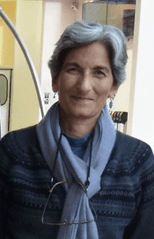
Dr. Meenakshi Nagendran
Dr. Meenakshi (Mini) Nagendran is a wildlife conservation biologist, an academic and a veterinarian.She is currently an adjunct faculty at Cuesta College in California. She retired from the U.S. Fish and Wildlife Service in 2023.
At the USFWS she worked as a Wildlife Biologist from March 2005 in the Division of International Conservation, as a Program Officer for the Asian Elephant Conservation Fund, followed by Rhinoceros and Tiger Fund (Asia) and the Great Ape Conservation Fund (Asia). Prior to joining the USFWS, Mini was in academia (CSU-Sacramento and Santa Monica College), served as Director of Bird Conservation in California Audubon, and for many years collaborated with international partners on field research and conservation activities in Russia, Kazakhstan, Japan, India, the U.S.A., and Bulgaria.
Sokheng Boun
Sokheng Boun is the visionary founder of New Hope Cambodia, a transformative nonprofit based in Siem Reap. Under his leadership, the organization has become a beacon of hope for impoverished children and youth, providing free education, healthcare, and community support.
Sokheng’s dedication to curriculum development and youth empowerment has been instrumental in breaking the cycle of poverty for many families in the region. With a focus on digital equity, Sokheng has championed initiatives that equip students with essential technological skills, preparing them for a rapidly evolving world. His holistic approach ensures that education at New Hope Cambodia goes beyond academics, fostering life skills and personal growth.
Dr. Dipankar Lahkar
Dr. Dipankar Lahkar is a distinguished wildlife biologist & conservationist based in Assam, India. With over 15 years of experience, he serves as the Senior Manager in the Tiger Research and Conservation Division at Aaranyak, one of India’s leading biodiversity conservation organizations.
Lahkar's work encompasses a broad spectrum of conservation efforts, including tiger conservation, vulture conservation, species monitoring, and human-wildlife conflict mitigation. He has been instrumental in implementing community-based conservation strategies, particularly in the Manas National Park, contributing to the significant recovery of the tiger population in the region.
In addition to his fieldwork, Dr. Lahkar has authored several scientific publications focusing on wildlife ecology and conservation biology. His research has provided valuable insights into the feeding ecology of vultures and the dynamics of large carnivore populations in Northeast India.
Dr. James McNamara
James is an interdisciplinary conservation scientist with more than fifteen years’ experience in Africa and Asia.His expertise focuses on the human dimensions of conservation, working with communities to integrate their needs into conservation planning and decision making. He has led the development of a range of conservation social science research programmes in various countries throughout West and Central Africa and advised on research programmes in India, Brazil and Peru.
His work spans sustainable agriculture, local ecological knowledge, and stakeholder engagement. A former UK policy advisor and Oxford mentor, he bridges research, governance, and grassroots action.
He holds a PhD from Imperial College, London, where he studied the economic and social dynamics of the wild meat trade, and is a Research Associate with the Smithsonian Institution, Washington D.C.
Dr. Meenakshi Nagendran
Dr. Meenakshi (Mini) Nagendran is a wildlife conservation biologist, an academic and a veterinarian.She is currently an adjunct faculty at Cuesta College in California. She retired from the U.S. Fish and Wildlife Service in 2023.
At the USFWS she worked as a Wildlife Biologist from March 2005 in the Division of International Conservation, as a Program Officer for the Asian Elephant Conservation Fund, followed by Rhinoceros and Tiger Fund (Asia) and the Great Ape Conservation Fund (Asia). Prior to joining the USFWS, Mini was in academia (CSU-Sacramento and Santa Monica College), served as Director of Bird Conservation in California Audubon, and for many years collaborated with international partners on field research and conservation activities in Russia, Kazakhstan, Japan, India, the U.S.A., and Bulgaria.
Sokheng Boun
Sokheng Boun is the visionary founder of New Hope Cambodia, a transformative nonprofit based in Siem Reap. Under his leadership, the organization has become a beacon of hope for impoverished children and youth, providing free education, healthcare, and community support.
Sokheng’s dedication to curriculum development and youth empowerment has been instrumental in breaking the cycle of poverty for many families in the region. With a focus on digital equity, Sokheng has championed initiatives that equip students with essential technological skills, preparing them for a rapidly evolving world. His holistic approach ensures that education at New Hope Cambodia goes beyond academics, fostering life skills and personal growth.
Dr. Dipankar Lahkar
Dr. Dipankar Lahkar is a distinguished wildlife biologist & conservationist based in Assam, India. With over 15 years of experience, he serves as the Senior Manager in the Tiger Research and Conservation Division at Aaranyak, one of India’s leading biodiversity conservation organizations.
Lahkar's work encompasses a broad spectrum of conservation efforts, including tiger conservation, vulture conservation, species monitoring, and human-wildlife conflict mitigation. He has been instrumental in implementing community-based conservation strategies, particularly in the Manas National Park, contributing to the significant recovery of the tiger population in the region.
In addition to his fieldwork, Dr. Lahkar has authored several scientific publications focusing on wildlife ecology and conservation biology. His research has provided valuable insights into the feeding ecology of vultures and the dynamics of large carnivore populations in Northeast India.
Dr. James McNamara
James is an interdisciplinary conservation scientist with more than fifteen years’ experience in Africa and Asia.His expertise focuses on the human dimensions of conservation, working with communities to integrate their needs into conservation planning and decision making. He has led the development of a range of conservation social science research programmes in various countries throughout West and Central Africa and advised on research programmes in India, Brazil and Peru.
His work spans sustainable agriculture, local ecological knowledge, and stakeholder engagement. A former UK policy advisor and Oxford mentor, he bridges research, governance, and grassroots action.
He holds a PhD from Imperial College, London, where he studied the economic and social dynamics of the wild meat trade, and is a Research Associate with the Smithsonian Institution, Washington D.C.
Dr. Meenakshi Nagendran
Dr. Meenakshi (Mini) Nagendran is a wildlife conservation biologist, an academic and a veterinarian.She is currently an adjunct faculty at Cuesta College in California. She retired from the U.S. Fish and Wildlife Service in 2023.
At the USFWS she worked as a Wildlife Biologist from March 2005 in the Division of International Conservation, as a Program Officer for the Asian Elephant Conservation Fund, followed by Rhinoceros and Tiger Fund (Asia) and the Great Ape Conservation Fund (Asia). Prior to joining the USFWS, Mini was in academia (CSU-Sacramento and Santa Monica College), served as Director of Bird Conservation in California Audubon, and for many years collaborated with international partners on field research and conservation activities in Russia, Kazakhstan, Japan, India, the U.S.A., and Bulgaria.
Sokheng Boun
Sokheng Boun is the visionary founder of New Hope Cambodia, a transformative nonprofit based in Siem Reap. Under his leadership, the organization has become a beacon of hope for impoverished children and youth, providing free education, healthcare, and community support.
Sokheng’s dedication to curriculum development and youth empowerment has been instrumental in breaking the cycle of poverty for many families in the region. With a focus on digital equity, Sokheng has championed initiatives that equip students with essential technological skills, preparing them for a rapidly evolving world. His holistic approach ensures that education at New Hope Cambodia goes beyond academics, fostering life skills and personal growth.
Dr. Dipankar Lahkar
Dr. Dipankar Lahkar is a distinguished wildlife biologist & conservationist based in Assam, India. With over 15 years of experience, he serves as the Senior Manager in the Tiger Research and Conservation Division at Aaranyak, one of India’s leading biodiversity conservation organizations.
Lahkar's work encompasses a broad spectrum of conservation efforts, including tiger conservation, vulture conservation, species monitoring, and human-wildlife conflict mitigation. He has been instrumental in implementing community-based conservation strategies, particularly in the Manas National Park, contributing to the significant recovery of the tiger population in the region.
In addition to his fieldwork, Dr. Lahkar has authored several scientific publications focusing on wildlife ecology and conservation biology. His research has provided valuable insights into the feeding ecology of vultures and the dynamics of large carnivore populations in Northeast India.
Dr. James McNamara
James is an interdisciplinary conservation scientist with more than fifteen years’ experience in Africa and Asia.His expertise focuses on the human dimensions of conservation, working with communities to integrate their needs into conservation planning and decision making. He has led the development of a range of conservation social science research programmes in various countries throughout West and Central Africa and advised on research programmes in India, Brazil and Peru.
His work spans sustainable agriculture, local ecological knowledge, and stakeholder engagement. A former UK policy advisor and Oxford mentor, he bridges research, governance, and grassroots action.
He holds a PhD from Imperial College, London, where he studied the economic and social dynamics of the wild meat trade, and is a Research Associate with the Smithsonian Institution, Washington D.C.
Dr. Meenakshi Nagendran
Dr. Meenakshi (Mini) Nagendran is a wildlife conservation biologist, an academic and a veterinarian.She is currently an adjunct faculty at Cuesta College in California. She retired from the U.S. Fish and Wildlife Service in 2023.
At the USFWS she worked as a Wildlife Biologist from March 2005 in the Division of International Conservation, as a Program Officer for the Asian Elephant Conservation Fund, followed by Rhinoceros and Tiger Fund (Asia) and the Great Ape Conservation Fund (Asia). Prior to joining the USFWS, Mini was in academia (CSU-Sacramento and Santa Monica College), served as Director of Bird Conservation in California Audubon, and for many years collaborated with international partners on field research and conservation activities in Russia, Kazakhstan, Japan, India, the U.S.A., and Bulgaria.
Sokheng Boun
Sokheng Boun is the visionary founder of New Hope Cambodia, a transformative nonprofit based in Siem Reap. Under his leadership, the organization has become a beacon of hope for impoverished children and youth, providing free education, healthcare, and community support.
Sokheng’s dedication to curriculum development and youth empowerment has been instrumental in breaking the cycle of poverty for many families in the region. With a focus on digital equity, Sokheng has championed initiatives that equip students with essential technological skills, preparing them for a rapidly evolving world. His holistic approach ensures that education at New Hope Cambodia goes beyond academics, fostering life skills and personal growth.
contact Us