Circular Economies, Environmental Regeneration, and the Caretakers of Our Planet
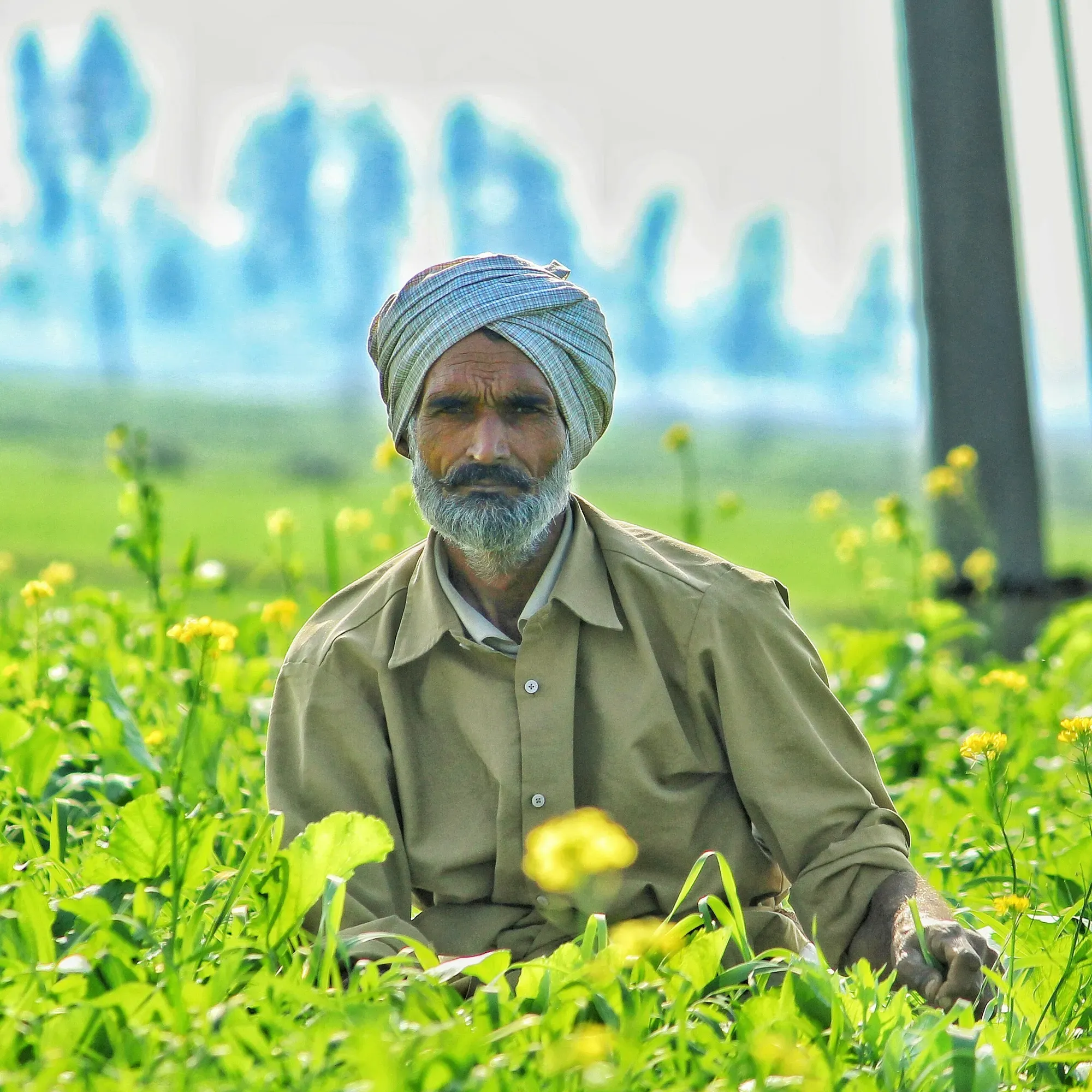
South Asia’s landscapes, from bustling urban centers to remote rural villages, are under increasing environmental pressure. Rapid urbanization, industrial growth, and unsustainable resource use have led to ecosystem degradation, pollution, and climate instability. However, a transformative shift is underway. Circular economies are emerging not only as strategies to reduce waste and emissions but also as frameworks for environmental regeneration. These systems are powered by the dedicated work of caretakers, including urban environmentalists, waste pickers, rural farmers, and cultural stewards, whose knowledge and labour sustain both human and ecological communities.
Circular economies prioritize the reuse, repair, and regeneration of natural and material resources. Unlike linear economies, where resources are extracted, used, and discarded, circular models aim to keep resources in circulation for as long as possible. In practice, this often takes shape through community composting programs, water reuse initiatives, urban recycling cooperatives, and eco-friendly production methods. These interventions not only reduce environmental impact but also actively restore ecosystems. For instance, regenerative agriculture projects in rural Punjab have increased soil content by 30 percent within three years, improving productivity while sequestering carbon.
The caretakers of these systems often operate in challenging circumstances. Urban waste pickers in cities like Mumbai and Dhaka recover vast quantities of plastics, metals, and e-waste that would otherwise pollute rivers and landfills. Their efforts prevent methane emissions, reduce raw material demand, and support urban sanitation. Yet these workers frequently earn below minimum wage, face health risks, and are marginalized in policy and social discourse. Formalizing and supporting their work through cooperatives, health protections, and fair wages is critical to strengthen urban circular systems while ensuring the dignity and security of those who maintain them.
Rural communities contribute in equally vital ways. Smallholder farmers, tribal groups, and village cooperatives implement low-impact farming techniques. Indigenous knowledge systems often preserve biodiversity, guide sustainable harvest cycles, and maintain soil fertility. Programs that integrate this local expertise with circular economy principles, such as composting crop residues, reusing construction materials, and restoring wetlands, create a synergy between cultural preservation and environmental regeneration. In Odisha, community-led mangrove restoration projects have increased fishery yields by 20 percent while providing natural coastal protection against cyclones.
Cultural and social frameworks play an essential role in sustaining circular systems. In many rural areas, festivals, rituals, and craft traditions involve careful management of natural resources. When these practices are acknowledged and linked to modern circular initiatives, they can amplify impact, ensuring environmental stewardship remains embedded in everyday life. Urban environmental groups are increasingly collaborating with rural communities to share knowledge, create supply chains for sustainable products, and design educational programs that teach circular principles to the youth. This exchange bridges technological innovation with local wisdom, ensuring solutions are both effective and culturally grounded.
Policy and financial support are indispensable for scaling these models. Governments can promote circularity and regeneration by providing incentives for renewable materials, funding ecosystem restoration, and integrating environmental caretakers into the formal decision-making processes. Microfinance and public-private partnerships that enable rural cooperatives to expand regenerative projects, while urban municipalities can institutionalize waste recovery programs that protect informal workers. International climate and development funds should prioritize initiatives that simultaneously restore ecosystems, strengthen livelihoods, and preserve cultural knowledge.
We must overthrow traditional narratives of land use to materialize a revolutionary South Asia. One where both urban and rural communities act as environmental caretakers, where waste is minimized, resources are regenerated, and cultural practices guide sustainable livelihoods. Success would mean cities with cleaner waterways and less landfill waste, villages with fertile soils and thriving biodiversity, and intergenerational knowledge transfer that ensures sustainable stewardship continues.
Circular economies are more than economic models; they are social and environmental frameworks that recognize the labour, knowledge, and cultural heritage of those who care for the planet. By supporting and amplifying these caretakers, South Asia can achieve environmental regeneration while building resilient communities, ensuring that ecosystems and people alike flourish together.